Introduction
In high-speed networking, transceiver modules such as GBIC and SFP are vital components used to interface network switches with fiber optic cabling. Let's explore what these modules are and the key differences between them.
What is a GBIC Module?
GBIC stands for Gigabit Interface Converter. Developed in the 1990s, it is a hot-swappable transceiver standard that allows gigabit transmission over fiber or copper. GBIC modules are relatively bulky compared to modern standards.
What is an SFP (Mini-GBIC) Module?
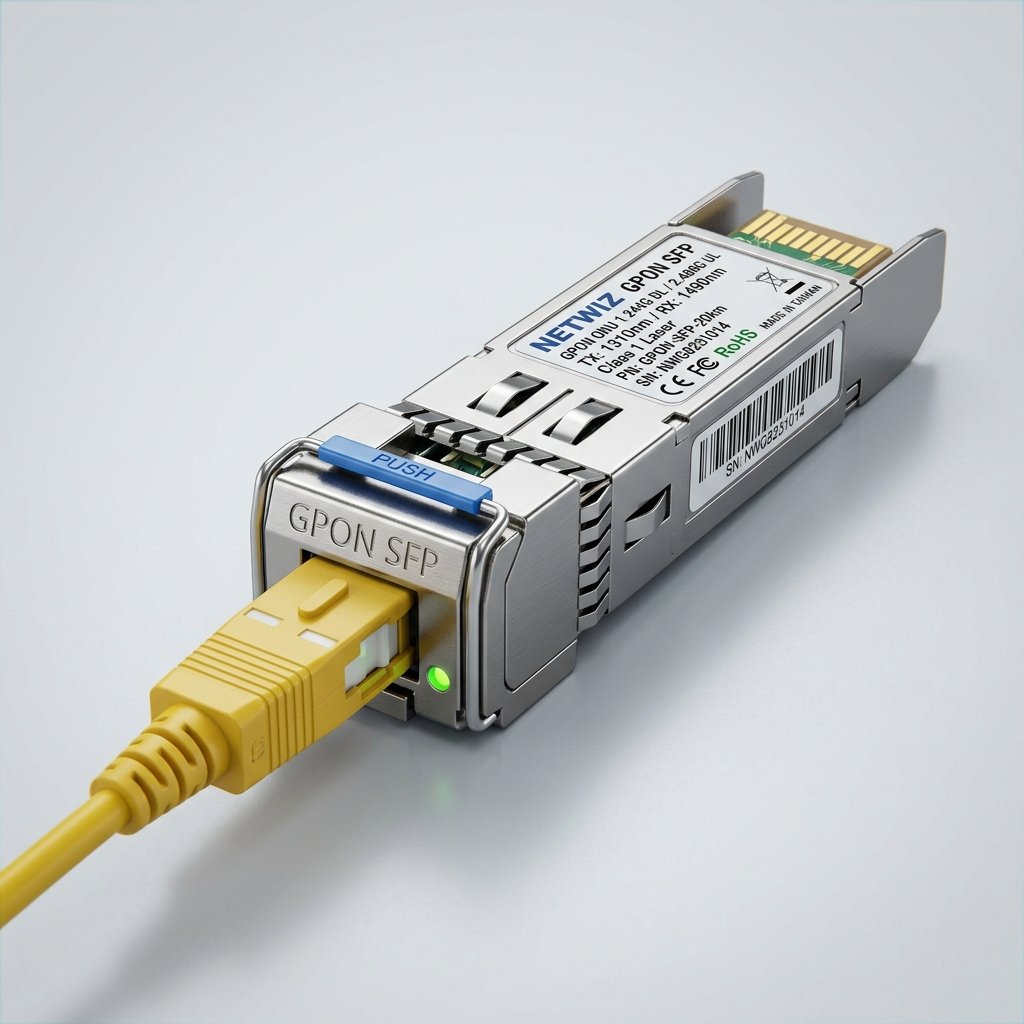
SFP stands for Small Form-factor Pluggable. Often referred to as Mini-GBIC, it performs the exact same function as GBIC but in a much smaller physical size, allowing network hardware to offer higher port density.
Key Differences:
- Size and Dimensions: GBIC is significantly larger, while SFP is compact, enabling double the port density on standard switches.
- Speed Evolution: SFP technology evolved into newer standards like SFP+ (supporting 10 Gbps) and SFP28 (25 Gbps), whereas GBIC is obsolete and limited to 1 Gbps.
- Usage: Modern networking equipment exclusively uses SFP/SFP+ slots due to size efficiency and lower power consumption.